


Rural -
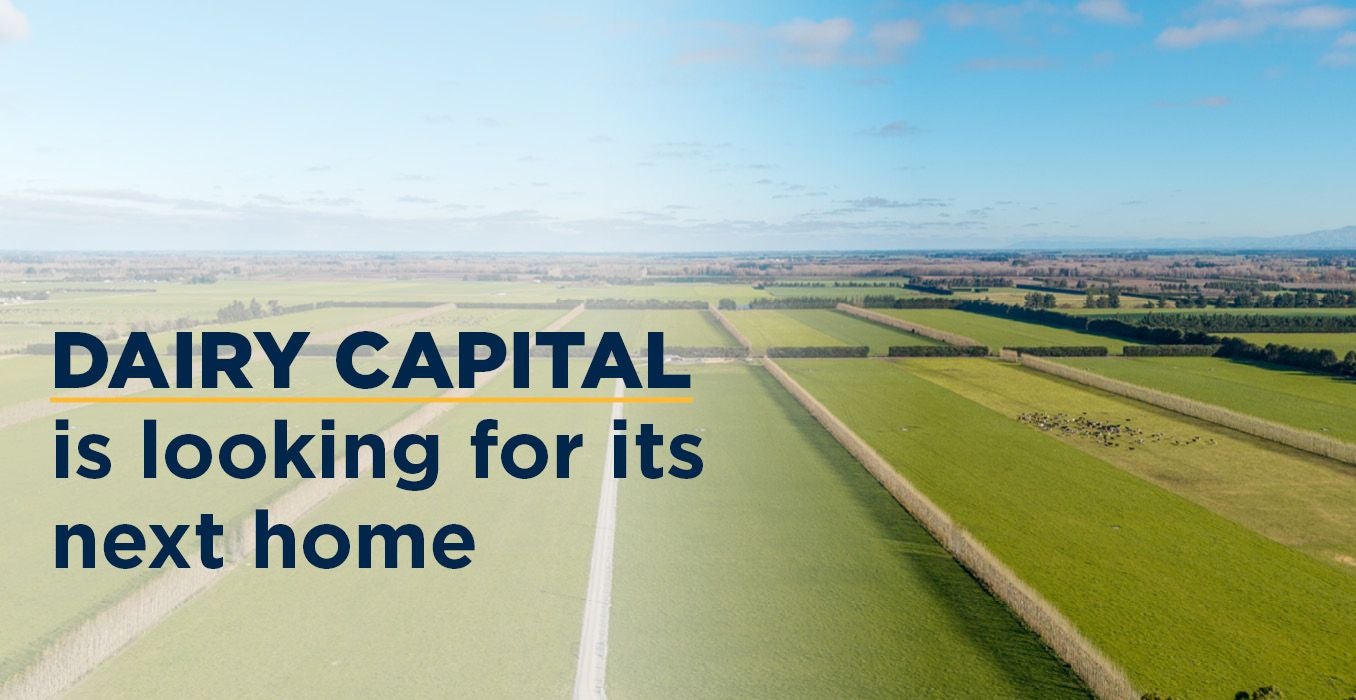
Dairy capital is looking for its next home
Why the smartest money in dairy won't be chasing the same postcode as everyone else
New Zealand dairy has plenty of capital right now. The question that matters is where it goes next. A Mid-Canterbury dairy farm made a new record sale at auction for around $89,000/ha, roughly 35 to 40% above where the top of that market sat a year ago.
It's the number that will get repeated in every conversation about dairy for the next month, but it's also not the number that tells you what you're actually buying.
Run that Canterbury result on a $/kgMS basis and the resulting figure reflects what you're paying for production per hectare value, not postcode, and sits around $51/kgMS. A Rotorua sale in the same week came in at $58/kgMS. The headline said Canterbury. The production economics said otherwise.
That's not a knock on Canterbury. Buyers there are paying for irrigation certainty, feed they can forecast within a percent of production every year, and genuine scale. That's real value and it earns a premium. Even at $85,000 to $90,000 per hectare, the economics still work for operators with the balance sheet to back them. However, Canterbury is one market, not the only market, and pricing the whole country off its top 1% means missing where the actual value sits.
The capital is concentrated, not scarce
Strong farmgate payouts and distributions, and solid operating returns have put real liquidity into the sector. A lot of it is currently chasing the same handful of premium addresses in Canterbury and Southland. At a recent Canterbury dairy platform auction, six active bidders pushed the sale to $13.8 million. Behind them, another nine parties had bank funding to $12 million each and nothing to show for it. Call it $120 million that turned up ready to transact and went home empty-handed.
Dairy support is equally in demand with pressure from the conversions coming on stream. A sale last week saw 12 registered bidders and five active bidders push the 157 hectare Canterbury property through to $11.6 million or circa $74,000/ha.
That's not due to a shortage of buyers. It's a concentration problem. The money is real but it's only aimed at two regions because that's where the headlines have been.
Distance isn't the risk it used to be
Capital has clustered around Canterbury and Southland for a reason that no longer holds. Farmers expanding south in the early 2000s found it hard to manage land they couldn't see day to day. Halter and the wider shift to on-farm data have closed that gap. We can look at an individual cow in a paddock in Southland from a desk anywhere in the country. Take that constraint away and what is left is habit, rather than risk. Auctions are showing their working
Rotorua is also a lesson in price discovery. Before it went to auction, the vendor was considering a private deal with his sharemilker at $4.5 million. On the day, it sold for $6.4 million, nearly $2 million more than he had thought, off an opening bid of $5 million. Every bidder in that room could see exactly where the market valued the farm, and the eventual buyer walked away having been chased there by five genuine competitors.
That's not a one-off. Across our rural campaigns, auction consistently delivers a higher clearance rate than other methods, even counting the minority of properties that don't sell under the hammer but settle shortly after, where the clearance rate still runs at 71.8%. And unlike a private treaty deal, there's no cooling-off period: it's sold the moment the hammer falls. For a vendor, that combination of a transparent price and an immediate, binding result, is worth more than people give it credit for.
Where this leaves capital
Investment-grade dairy exists across the country and not just where the last record sale landed. The comparison that matters is $/kgMS, production cost, climatic risk and operating efficiency rather than the address. A lower price doesn't automatically mean better value. A record price doesn't automatically mean worse.
The $89,000/ha number will keep getting repeated because it's the easiest one to say out loud. The $51/kgMS number is the one that tells you what you're buying. The next phase of this market belongs to the capital that works that out first.
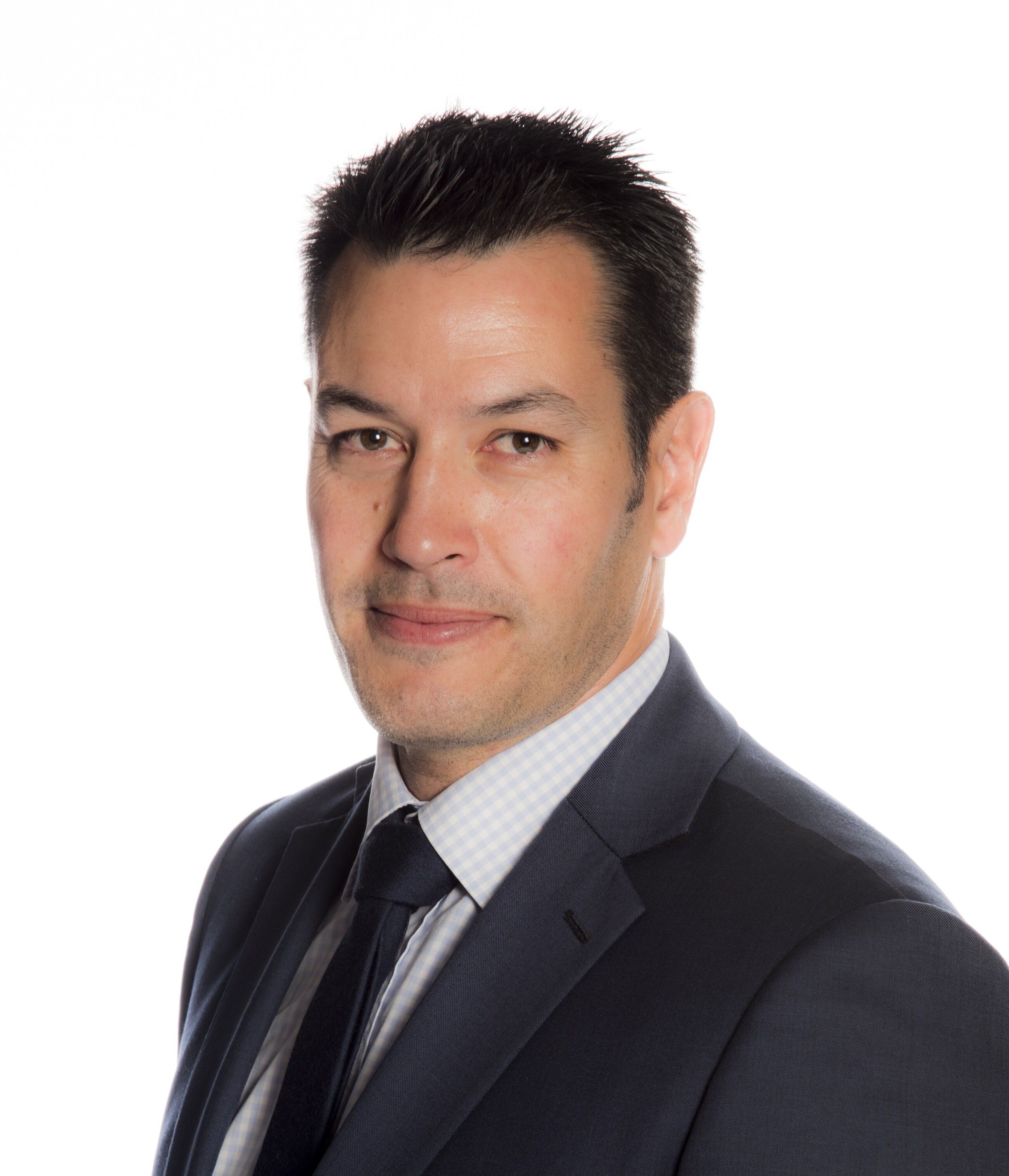
Author - Duncan Ross
Chief Operating Officer and National Director Rural
As COO for Bayley Corporation, Duncan oversees the execution of Bayleys’ wider company operational and strategic activities, monitors productivity and results, and helps facilitate the “Altogether Better” philosophy that underpins Bayleys’ business.
Contact us


